
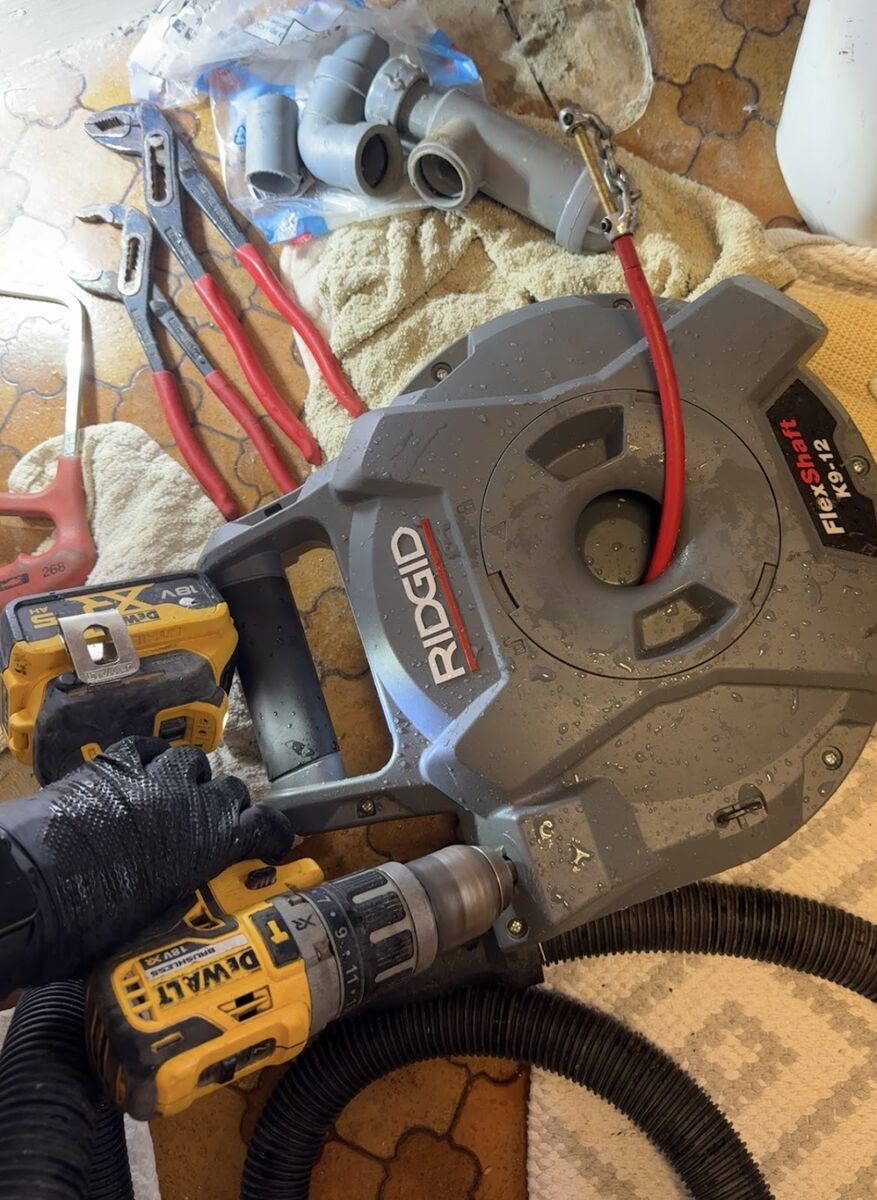
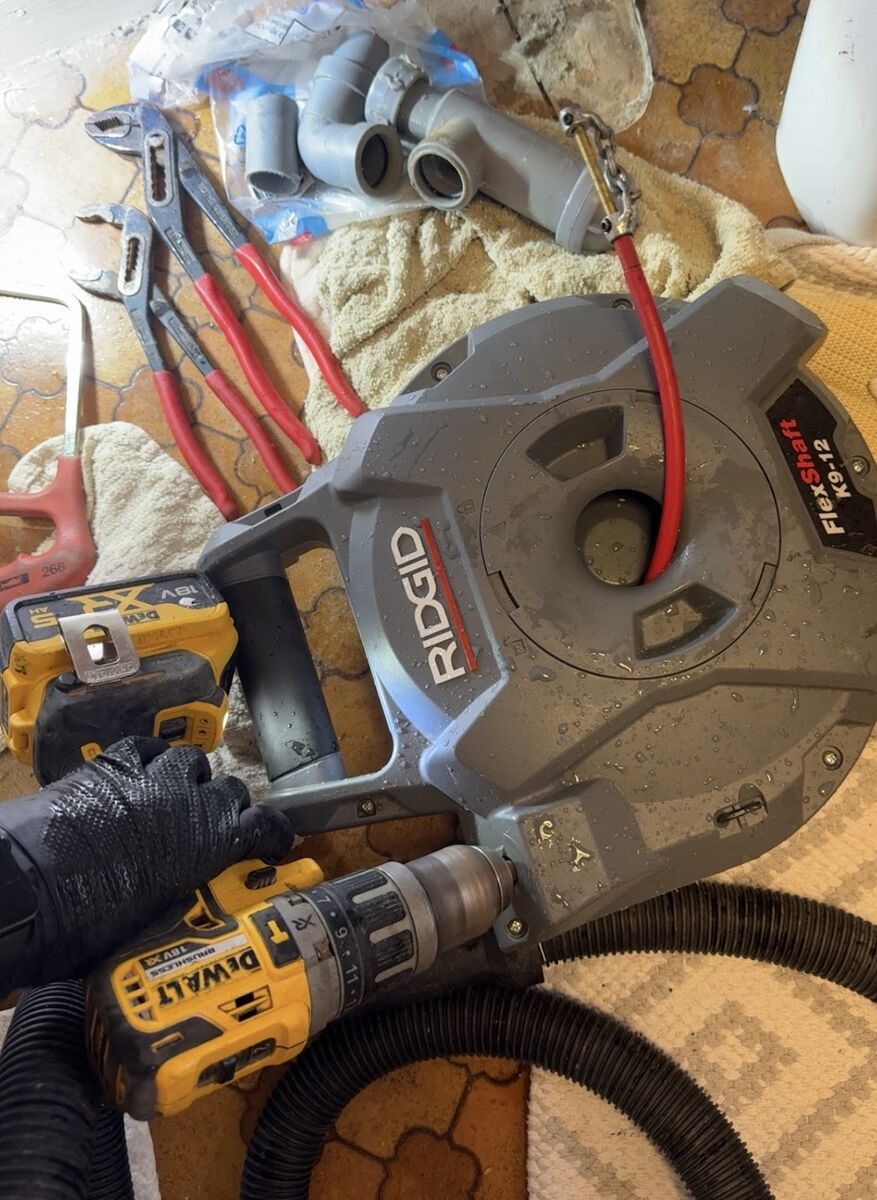
Power Flushing
Power Flushing in Ilkeston
Homes in Ilkeston
Housing in Ilkeston takes in many Victorian terraces as well as family homes built in the twentieth century. Whichever type you live in, the details that matter are the system's own: its radiator count, where the cold spots are, how old it is, which boiler is fitted and how reachable the valves are. A radiator that is hot at the top and cool at the bottom is a common sign that sludge has collected, so it helps to note which ones behave like that.
“Tami Plumbing did a great job, fixing both a leak in a pipe leading to the toilet and in swapping out and installing a new electric shower. They were communicative and friendly throughout.”
What matters for power flushing in Ilkeston
Once you have sent your details, we use the radiator symptoms, boiler information, system age, cold-spot evidence and valve access to judge whether power flushing in Ilkeston suits your system and to confirm the next practical step. On the visit, the boiler, radiators, valves and pump are assessed for anything too worn or corroded for strong cleaning, and then high-flow water is pushed round to clear the sludge.
- You send the symptoms, boiler details and photos of the radiators or valves.
- We confirm whether a flush is the right route and what happens next.
- The system is checked for weak or corroded parts before cleaning starts.
- Sludge, rust and debris are then flushed from the radiators and pipes.
Questions about power flushing in Ilkeston
Why send photos before you visit?
Pictures of the radiators, valves and boiler show us access and system type, so we can confirm the right scope rather than guessing at a price.
What does a power flush actually do?
It sends water round the heating at high flow to lift sludge, rust and debris out of the radiators and pipework. The aim is to restore heating efficiency, reduce energy bills and help the boiler and radiators last longer.
Is there anything I should check before getting in touch?
With the heating on, note which radiators are cool at the bottom, whether the pipes are noisy and how long rooms take to warm. Those observations, plus the boiler type, give us a useful starting point.