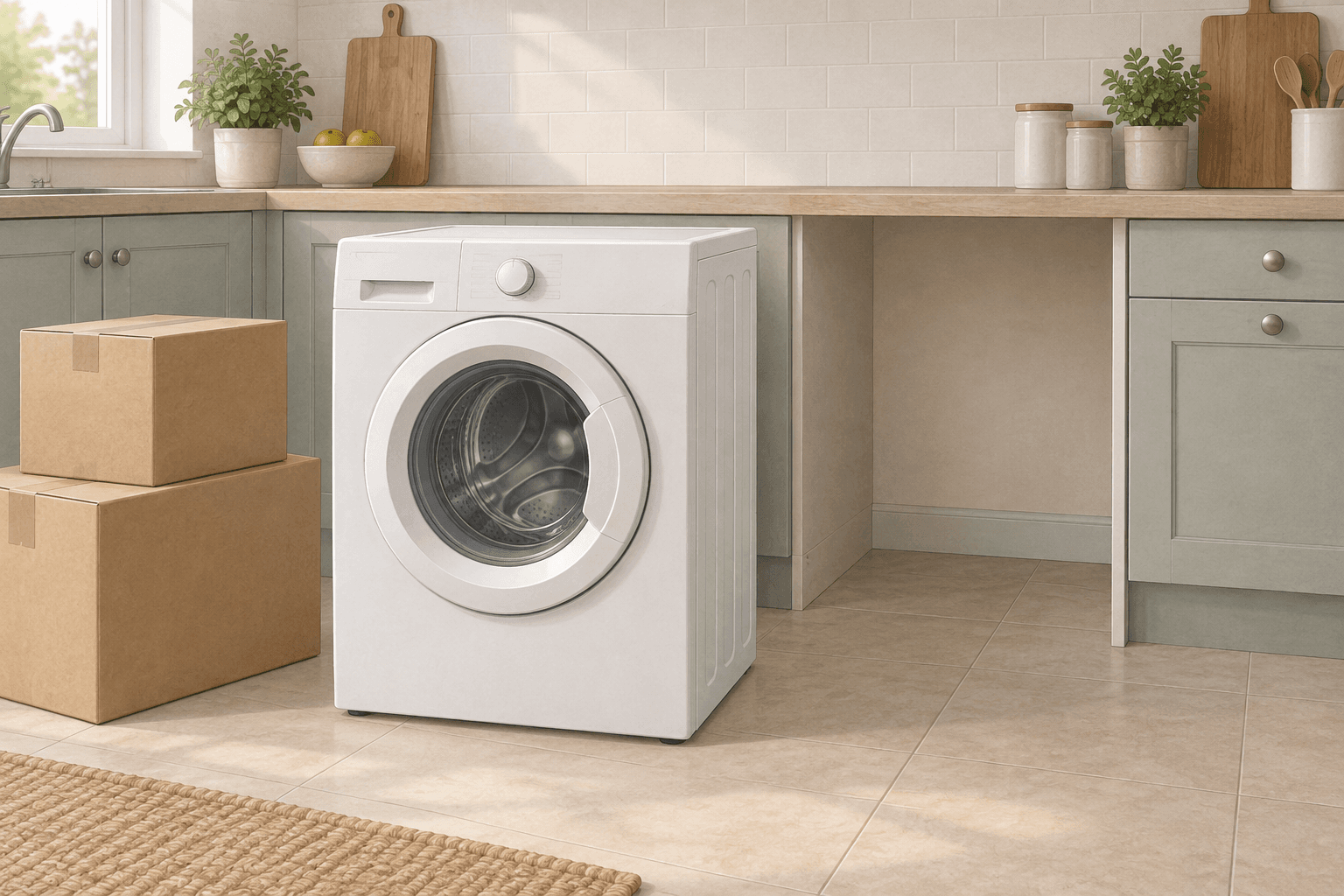
Appliance leaks are quiet. A washing machine or dishwasher sits against a wall, often under a worktop, and a slow weep at a connection can run for months into the floor and the cabinet before anybody notices anything except a faint smell.
Tami Plumbing covers appliance installation across Nottingham, and the job is less about the appliance than about the connections it is joining. Here is what should be checked, and why the first cycle is the part that must not be skipped.
The four checks before the machine goes back
An appliance installation should confirm that the supply valve works, the waste route is secure, hoses are not kinked and the appliance can sit level. Those four checks catch almost every avoidable failure.
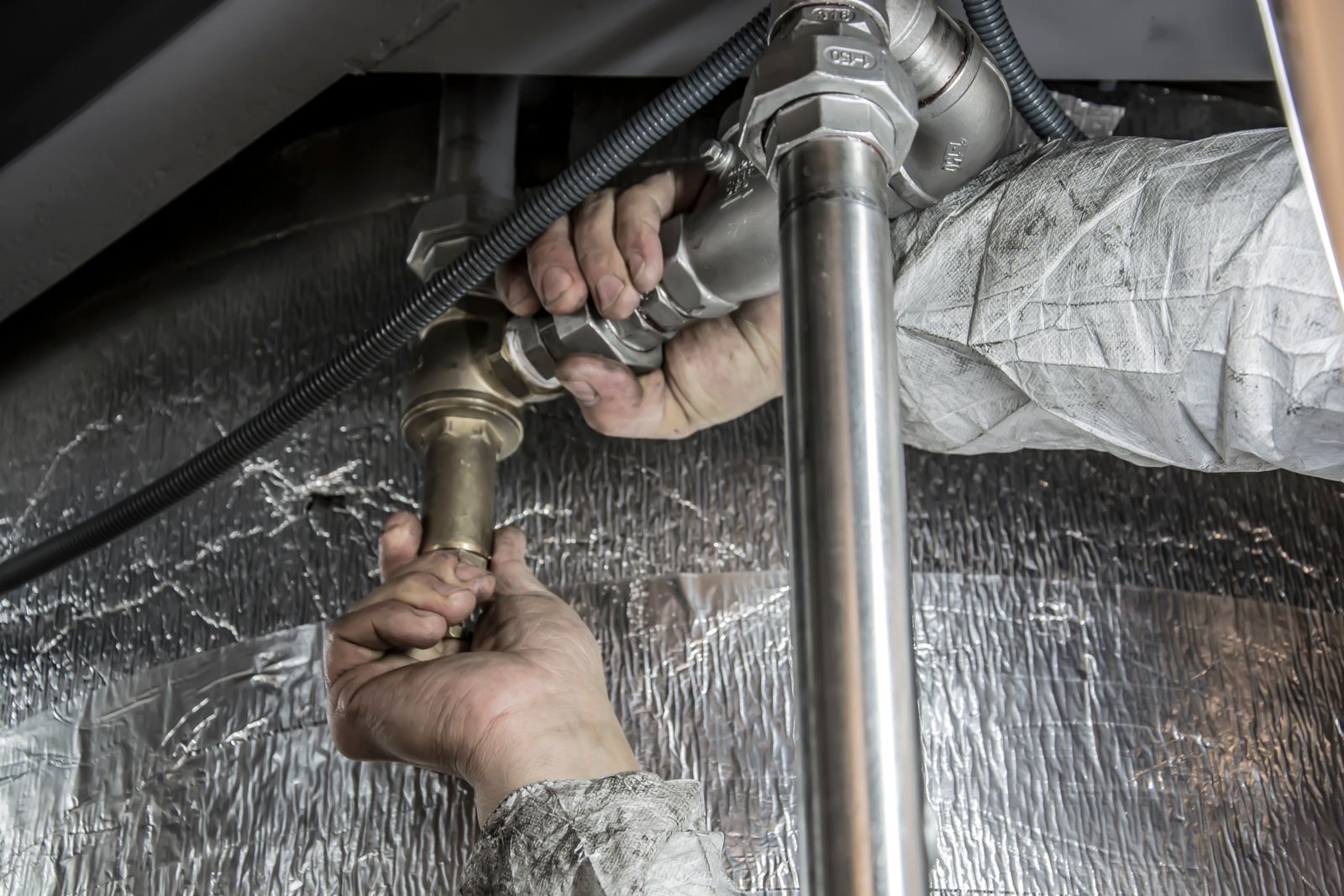
The supply valve is the one people discover the hard way. Valves behind appliances are used rarely, and rarely-used valves seize. A valve that will not turn is a problem now, in a controlled situation, and a serious problem later, when the machine is flooding and nothing can be shut off.
The waste route needs to be properly secured rather than pushed into a standpipe and hoped for. A waste hose that works loose during a pump-out will empty a full drum onto the floor, which is a great deal of water arriving very quickly.
Kinked hoses are the slow failure. A machine pushed back hard against a wall crushes the hose behind it, and the hose fails at the crease months later. Leaving proper clearance behind the appliance is the fix, and it costs nothing.
Levelling matters for the machine's own life. An unlevel washing machine walks, vibrates and wears its bearings, and the noise it makes is usually the first complaint.
- Supply valve confirmed to open and close properly.
- Waste route secure, not just inserted and hoped for.
- Hoses free of kinks, with clearance left behind the appliance.
- Appliance sitting level and stable on the floor.
Old and seized valves are worth replacing now
Old or seized valves should be replaced before they fail behind the appliance. That is the single most useful preventative in this entire job, and it is a small item while the machine is already pulled out.
The reason is access. Once the appliance is back in place, often under a worktop with a kitchen built around it, the valve is effectively unreachable without repeating the whole disruption. A valve replaced today takes ten minutes; the same valve replaced during a leak takes a great deal longer and happens in the worst circumstances.
The same applies to hoses. Flexible fill hoses have a working life, and an old one being re-used with a new appliance is a false economy. Replacing hoses when the machine changes is routine good practice.
It is worth knowing where the isolation is before you need it, too. If nobody in the house knows which valve shuts off the washing machine, that is worth fixing at the same time.
Run the first cycle before anyone leaves
The check that matters most is the one that takes the longest: there should be no leak once the first cycle runs. Connections that are dry when the machine is stationary can weep under the pressure and vibration of an actual fill and pump-out.
That means the fill, the drain and the vibration of a spin all need to happen with somebody watching the connections rather than the machine being switched on as the van pulls away.
It is also the moment when a marginal waste connection reveals itself, because a pump-out moves water considerably faster than a tap does. A standpipe that cannot take the flow will back up and overflow at exactly that point.
If the appliance is in a kitchen where you cannot see behind it, dry the floor completely first. A dry floor makes any new water obvious, whereas a damp one hides the evidence you are looking for.
- Run a full fill, drain and spin before signing off.
- Watch the connections during the cycle, not just afterwards.
- Dry the floor first so any new water is obvious.
- Check the standpipe copes with the pump-out flow rate.
When the appliance is moving position
If the appliance is moving location, the job changes shape. It may involve new pipework, a sink waste change or a tap and valve upgrade, and those are proper plumbing alterations rather than a connection job.
A new position needs a supply, a waste with adequate fall, and somewhere to isolate. Waste is usually the constraint: a machine placed far from the existing waste connection needs a route that drains reliably, and a long horizontal run with little fall will be a recurring problem rather than a one-off installation.
This is worth planning during a kitchen change rather than afterwards, because the pipework can be run while units are out. Retrofitting a waste route through a finished kitchen is considerably more disruptive.
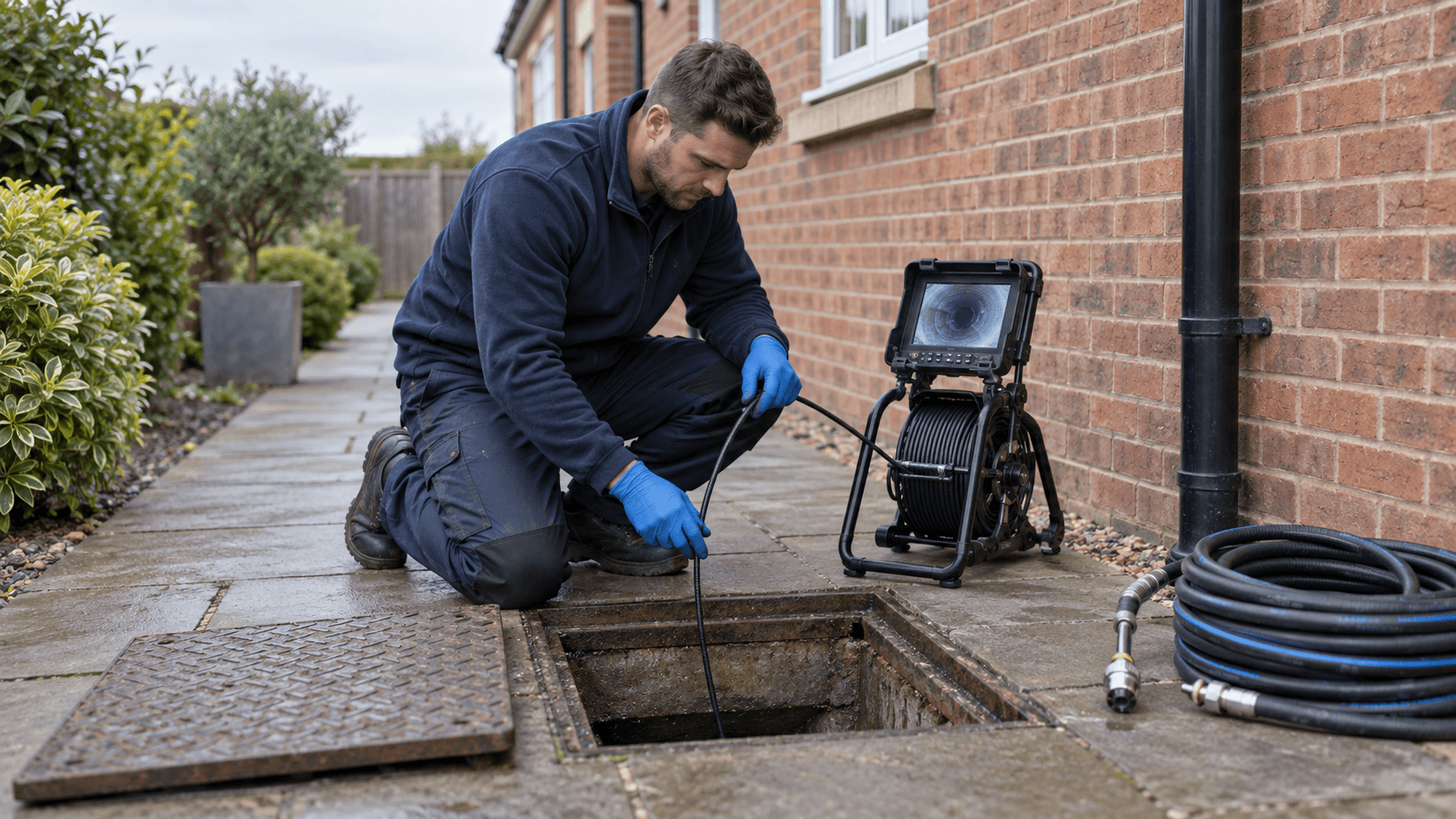
Related work can sit under taps and fixtures, leak detection or wider plumbing changes, and it is fair to expect a clear answer about which of those a job is before it starts.
Related pages
Questions customers ask
Do I need a plumber to fit a washing machine?
Not always, but the checks that prevent leaks are worth having done properly: a working isolation valve, a secured waste, unkinked hoses and a full first cycle watched. Most appliance leaks trace back to one of those being skipped.
Should the old valve be replaced when a new appliance goes in?
If it is old or stiff, yes. Once the appliance is back under a worktop the valve is effectively unreachable, so replacing it while the machine is out is ten minutes now against a much worse job during a leak.
Why did my appliance leak weeks after installation?
Commonly a hose crushed against the wall when the machine was pushed back, a waste connection that worked loose during pump-out, or a connection that only weeps under vibration. All three are why the first full cycle should be run and watched.
A working valve, a secured waste, hoses with room to breathe, a level machine and one full cycle watched. That is the whole job, and skipping the last item is how most appliance leaks begin.
Tami Plumbing connects washing machines, dishwashers and kitchen appliances across Nottingham. The contact page is the place to book.