
One slow sink and several fixtures backing up are different clues. A problem confined to one outlet may sit close to that fixture, while several affected fixtures can point towards pipework they share. The pattern does not prove the cause, but it tells the person attending where the useful investigation should begin.
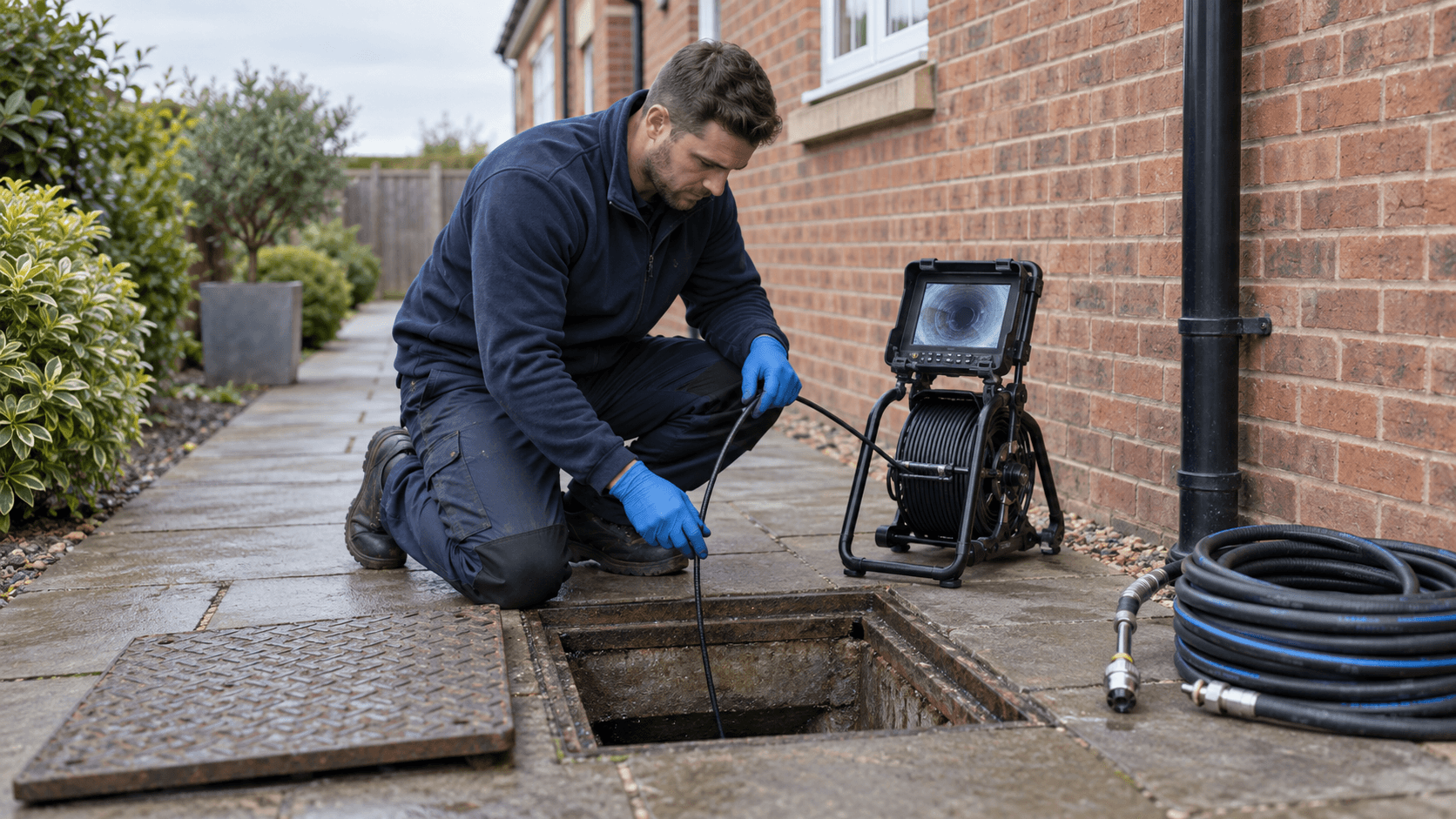
When arranging drain unblocking, Nottingham households should record which fixtures are affected, the order in which symptoms appeared and whether the problem has happened before. Tami Plumbing covers blocked sinks, toilets, showers and external drains. Its service can use CCTV cameras and high-pressure jetting to find and address the problem, although the right method depends on the location, access and evidence from the actual job.
Make a fixture map without repeatedly testing the blockage
List every sink, basin, bath, shower, toilet and outside drain that shows a change. Beside each one, note whether it is completely blocked, draining slowly, making an unusual sound or showing water when another fixture is used. Include unaffected fixtures as well; the boundary between normal and affected outlets can be as useful as the blockage itself.
Use observations from ordinary use and stop once the pattern is clear. Repeatedly filling a basin, flushing a toilet or running several outlets can add water to a route that is already struggling. If there is visible overflow, keep people and pets away from the area and report it rather than creating another test.
- Name each affected fixture and the floor or room where it sits.
- Record the first symptom and when it began.
- Note what happens when another fixture is used normally.
- Identify any unaffected fixtures nearby.
- Say whether the problem is new, intermittent or a repeat.
- Photograph visible overflow or staining from a safe position.
- Describe access to the outside inspection chamber without opening it yourself.
One fixture usually narrows the first inspection
If only one basin, shower or sink is slow while nearby fixtures work normally, the first check can focus on that outlet and its immediate waste route. The useful details are what entered normal use, whether the change was sudden or gradual, and whether the fixture is now completely blocked. Avoid claiming that the cause is in the trap or a particular joint when it has not been inspected.
A single toilet needs its own clear description. Say whether the water level is unusually high or low and whether any basin, bath or external drain changes at the same time. Do not keep flushing to see whether the symptom repeats. One careful observation is enough for the first brief.
Several affected fixtures suggest a shared route needs attention
When two or more outlets change together, draw their positions on a rough floor plan. Fixtures on the same side of a room or above one another may share part of a route, but the actual connection still needs to be established. Note the sequence: for example, one outlet became slow first and another began reacting later.
Also look outside from a safe position. Report whether an external gully is holding water or whether a known inspection-chamber area is accessible behind a gate, shed or parked vehicle. Access information helps the visit begin efficiently. Leave covers and drainage equipment to the person carrying out the work.
Repeat history changes the question
A first blockage and a recurring problem should not be briefed in the same way. For a repeat issue, collect the dates of earlier visits, which fixtures were affected, what work was done and how long normal drainage lasted afterwards. A familiar symptom does not guarantee the same cause, but the timeline can show where further inspection deserves attention.
Tami Plumbing's drain-unblocking scope includes CCTV inspection and high-pressure jetting. Those are possible tools rather than automatic steps for every call. The affected fixtures, blockage location, repeat history, visible overflow and inspection-chamber access help determine whether clearing, investigation or a different planned repair is the appropriate route.
Prepare the evidence that affects a quote
A safe quote depends on the blockage location, access to the inspection chamber, the number and position of affected fixtures, repeat history and any visible overflow. Rodding access, cleanup needs and whether further inspection is required can also affect the disruption and scope. Send those facts before expecting a fixed answer from a single close-up photograph.
Use a small set of images: one whole-setting view, one image of each visible symptom and one access view where relevant. Add the fixture map and timeline in plain language. Do not send graphic close-ups when a wider photograph can show the useful location and extent.
Choose the next step from the pattern
A clear map prevents a one-outlet symptom and a shared drainage problem from being described as the same job. It also helps the plumber decide which access point and equipment to consider first. The professional inspection can then confirm the route and cause rather than relying on the household's guess.
Read about Tami Plumbing's drain-unblocking service or send the fixture map, history and access details.
Questions customers ask
Does one blocked sink mean the main drain is clear?
It is a useful clue, but it does not prove the condition of every downstream pipe. Record which nearby fixtures remain normal and what happens during ordinary use. The route can then be checked from the evidence rather than assumed.
Why does the plumber need to know about unaffected fixtures?
They help mark the boundary of the problem. If one outlet is affected and the others remain normal, the first inspection may be more local. If several change together, attention can move towards pipework they may share.
When might a camera inspection be considered?
It may be useful when the location is unclear, the blockage repeats or the route needs further investigation. Tami Plumbing lists CCTV cameras among its drain-unblocking tools, but the actual job and access determine whether one is appropriate.