
Bathroom budgets are usually spent in exactly the wrong order. The tiles and the basin get the attention because they are what a showroom sells, and the parts that decide whether the room still works in ten years are chosen from whatever is left.
Tami Plumbing fits bathrooms across Nottingham, and this is where the money genuinely earns its place, in the order the decisions arrive.
Spend on what is buried
Anything that will be behind a tile or under a floor deserves the better option, because the cost of reaching it later is measured in a demolished room rather than in the price of a part. That means the pipework, the waste runs and their falls, the fixings holding a wall-hung frame, and the waterproofing.
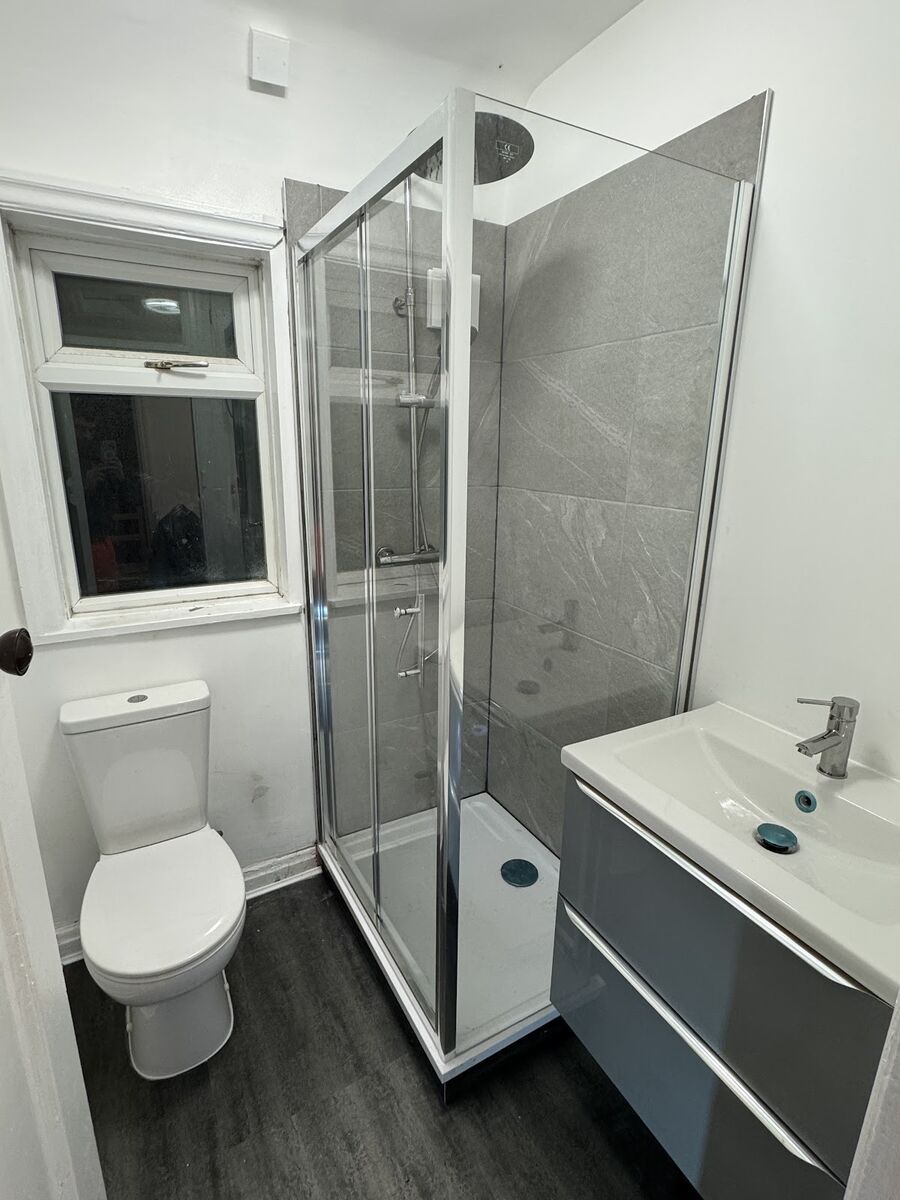
Waterproofing is the clearest example. A tiled shower area on a properly tanked substrate will stay dry for decades; the same tiles on ordinary plasterboard rely entirely on grout, which is not waterproof and eventually lets water into the wall. The material cost difference is small. The difference in outcome is a wall that has to come out.
- Tank the shower area properly rather than trusting grout.
- Get waste falls right; a slow shower drain is a floor-up fix.
- Use a solid frame and fixings for anything wall-hung.
Valves, cartridges and the parts that get used daily
A shower valve is operated thousands of times and lives in a hot, wet environment. A well-made thermostatic valve from a manufacturer with a real spare parts supply can be serviced with a new cartridge for years; a cheap valve is usually not serviceable at all, so when it starts fluctuating in temperature the repair is another tiled wall opened up.
The same logic applies to taps and to the toilet's internal parts. Chrome finish and shape are the visible half of a tap; the ceramic cartridge inside is the half that decides whether it drips in three years. Ask whether spares are available for what you are buying, and be suspicious of anything where the answer is a shrug.
- Choose brassware whose spare cartridges are actually available.
- Thermostatic shower valves should be serviceable in place.
- Concealed valves need a real access route designed in.
Where economising is perfectly sensible
Tiles are one of the few places where price and durability diverge widely. A mid-priced porcelain tile is as hard-wearing as an expensive one, and large-format tiles reduce grout lines, which is what actually keeps a room looking clean. Spending less on the tile and more on the setting-out and the trims usually produces a better-looking result than the reverse.
Furniture and mirrors are similarly forgiving, provided the fixings and the sealing are right, and they can be replaced in an afternoon without touching anything structural. The rule is simple: anything you could change later without breaking tiles is a fair place to save money.
- Mid-priced porcelain performs as well as expensive tile.
- Fewer, larger tiles mean less grout to keep clean.
- Anything replaceable without breaking tiles is fair to economise on.
The items that appear in every regret
Extraction is the most common. A bathroom without an adequate fan, ducted to outside rather than into a loft void, produces the mould that ruins decoration and eventually the plaster. Isolation valves on every supply are another: without them, changing a tap means draining the house.
Then there is heating and lighting. A towel rail sized for the room, and lighting suitable for the wet zones it sits in, are cheap while the walls are open and disruptive afterwards. Tami Plumbing works through that list at planning stage precisely because none of it is visible in a showroom, and all of it is what people wish they had asked about.
- A properly sized fan, ducted outside, not into the loft.
- Isolation valves on every supply, so future work is a small job.
- First fix the power, the fan and the heating while the walls are open.
Related pages
Questions customers ask
Where should most of a bathroom budget go?
Into what gets buried: pipework, waste falls, waterproofing and the fixings behind wall-hung items, plus serviceable brassware. Those decide whether the room lasts. Tiles and furniture can be replaced later without demolition.
Is tanking really necessary in a normal shower?
Yes, in the wet area. Grout is not waterproof, so a tiled shower relies on the substrate behind it. Tanking is inexpensive at the time and the alternative failure means opening the wall up.
Does a bathroom need an extractor fan?
Almost always, and it should duct to outside rather than into a loft void. Without adequate extraction, moisture ends up in the plaster and decoration, which is the most common cause of a bathroom looking tired within a couple of years.
Spend on what is buried and on what gets touched every day; economise on what can be swapped without breaking a tile. That single rule sorts almost every bathroom decision.
Tami Plumbing covers Nottingham for bathroom fitting. The contact page takes room dimensions and what the household needs from the space.