A leak inside a wall or under a floor rarely announces itself. It shows up as a stain that keeps returning after you paint over it, a musty smell that survives a deep clean, or a water meter that creeps upward while the house is quiet. By the time the source is obvious, the water has usually done more damage than the original fault.
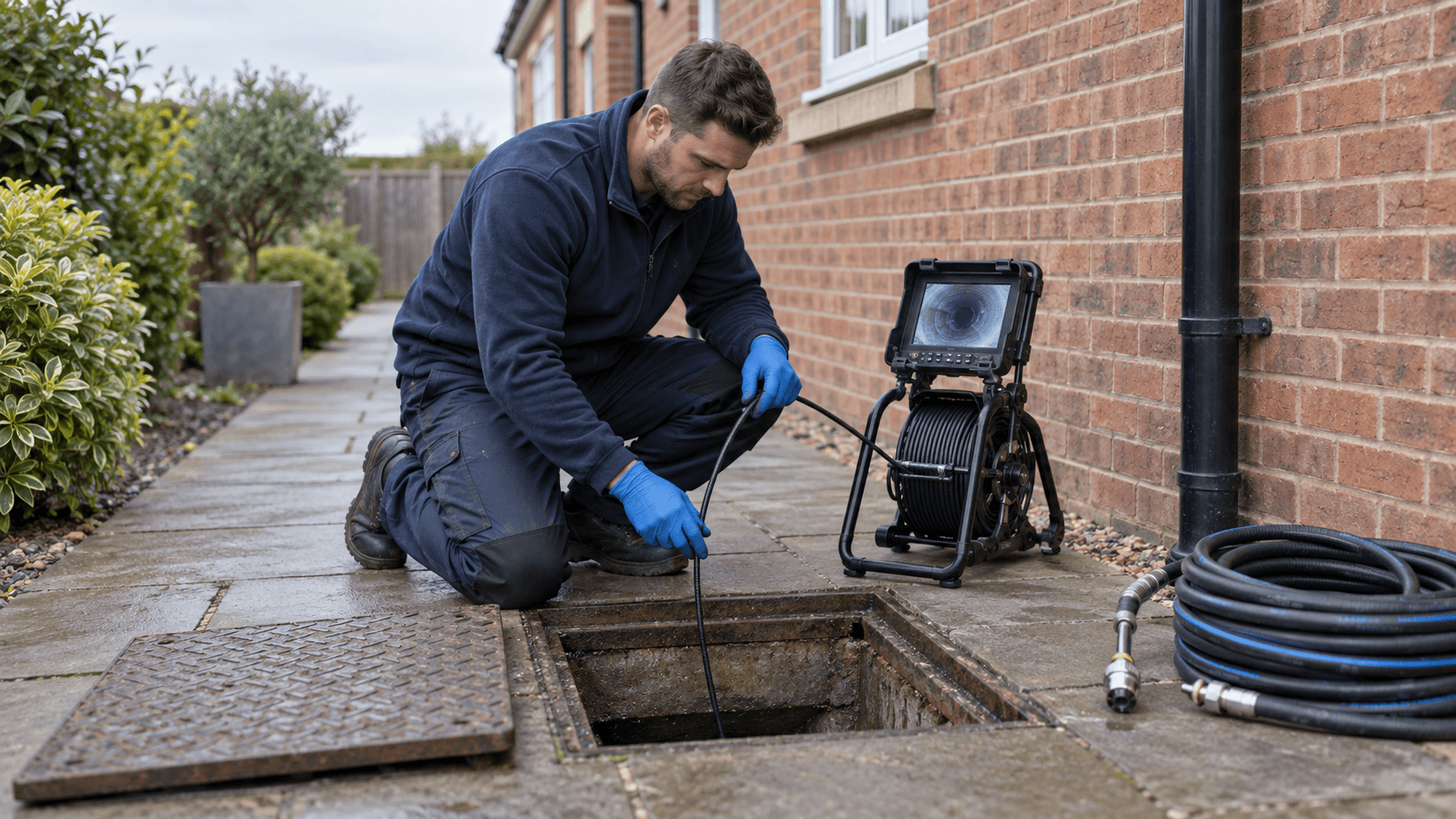
The point of a proper investigation is not to open up surfaces and hope. It is to narrow the likely source, judge how urgent the situation is, and take the least disruptive route to a repair. That is the whole purpose of leak detection. Nottingham properties differ widely in age, pipe route and floor construction, so an identical stain can have very different causes from one house to the next.
Begin with a calm look round
Do this when nothing is drawing water: no bath or shower running, no appliance mid-cycle, no outside tap open. Then walk the property and look above, below and around every wet area, including the cupboard housing the hot water cylinder.
Signs worth writing down include:
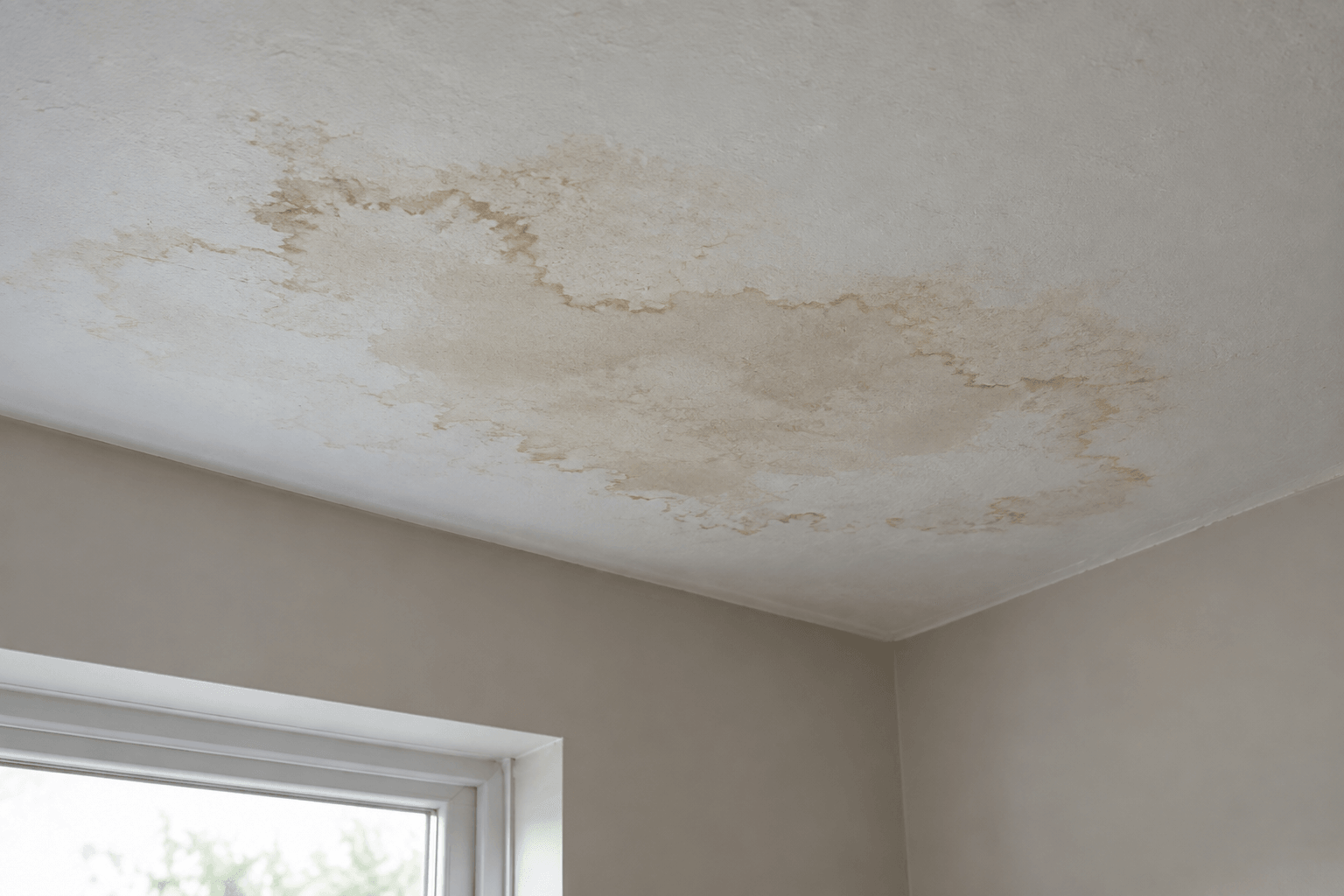
- a fresh stain on a ceiling below a bathroom, sink or cylinder;
- flooring that has swollen, lifted at the edges or feels soft underfoot;
- mould or a musty smell that returns after cleaning;
- drips at visible joints, valves or appliance hoses;
- an outside overflow pipe running when nobody is using water;
- a toilet cistern that refills on its own.
Condensation, a spill and rain getting in can all leave marks that look like a leak. Note when the mark appeared and whether it grows after a particular shower, flush or wash cycle. That pattern is often more useful than the mark itself.
Two checks you can make without taking anything apart
If the water meter is safe to reach, read it with every tap closed and every water-using appliance idle, then leave the property untouched and read it again. Do not flush a toilet in between. A reading that has moved suggests water is passing somewhere it should not, though it says nothing about where.
A toilet can also leak quietly from the cistern into the pan. A good while after a flush, dry the back of the pan and rest a piece of dry toilet tissue against it. If the tissue is wet later and nobody has used the toilet, the cistern needs attention.
Keep both checks observational. Do not lift flooring, remove panels or force a stiff valve. It is worth finding the internal stop tap now and easing it gently to confirm it turns, without forcing it if it will not move. Knowing where that valve is matters enormously if a slow leak becomes a fast one.
Know the difference between a stain and an escape of water
A mark that has not changed in weeks and water running across a floor are not the same problem. If water is actively escaping and the stop tap is safe to reach, turn the supply off first and work out the cause afterwards.
Treat the situation as urgent when:
- water is spreading across a floor or coming through a ceiling;
- a ceiling is bulging, sagging or visibly saturated;
- closing the stop tap does not reduce the flow;
- a fixture or appliance cannot be isolated;
- water returns immediately every time the supply is restored.
Stay away from water near consumer units, sockets, downlights and switches: do not touch wet electrical fittings, and ask for urgent help instead. Keep people out from under a saturated ceiling, and keep the route to the stop tap clear and labelled. For a slow or intermittent symptom, protect the area, stop using the suspected fixture and arrange a visit. Wiping the same patch dry every day removes the evidence a plumber needs to see.
Give the plumber something to work with
Nobody can diagnose a hidden leak down the phone. What good information does is make the first hour on site far more productive.
Before you call, gather close photographs of the first mark, wider shots of the room, and pictures of the room above or behind it. Add the date the symptom appeared, what had been used just before, your meter observations, and any plumbing or decorating work carried out beforehand.
The work then runs in that order: trace and pinpoint the source, then agree the repair. That might mean a fixture or seal repair, access to pipework, attention to a bathroom waste, or further tracing. The scope should follow the diagnosis, never the other way round.
Frequently asked questions
Does a moving water meter prove there is a hidden leak?
It shows water passing when you expected none to be used, which is a strong hint rather than proof, and it gives no location at all. Check again with everything genuinely idle, including anything on a timer and a water softener that regenerates by itself, then pass the readings and times to whoever investigates.
A damp patch has dried out on its own. Can I leave it?
A patch drying does not mean the cause has gone, because many leaks come and go with use. Photograph it, mark the edge of the stain lightly in pencil, avoid the suspected fixture where you reasonably can, and watch whether it returns after a shower, a flush or a wash cycle. A mark that spreads or keeps coming back deserves attention rather than patience.
Your next step
Write down what you have seen and when, photograph it, take a meter reading with the house quiet, and find your stop tap before you need it. That preparation is worth more than any guess about the cause.
Tami Plumbing is a plumbing and heating business working in Nottingham.
Call Tami Plumbing on +447706229545 to talk through what you have recorded. You will be able to describe the evidence, agree whether the situation needs an emergency response or a booked visit, and have the source traced and the repair route explained before anything is opened up.