
In a plumbing emergency, the amount of damage is decided almost entirely in the first few minutes, and those minutes belong to whoever is in the house. Not to the engineer, who is still getting there.
Tami Plumbing attends emergency plumbing calls across Beeston, and the most valuable advice we can give is for a quiet Tuesday rather than for the emergency itself: find your stop tap, check it turns, and know what else can be isolated.
Find the stop tap, and turn it
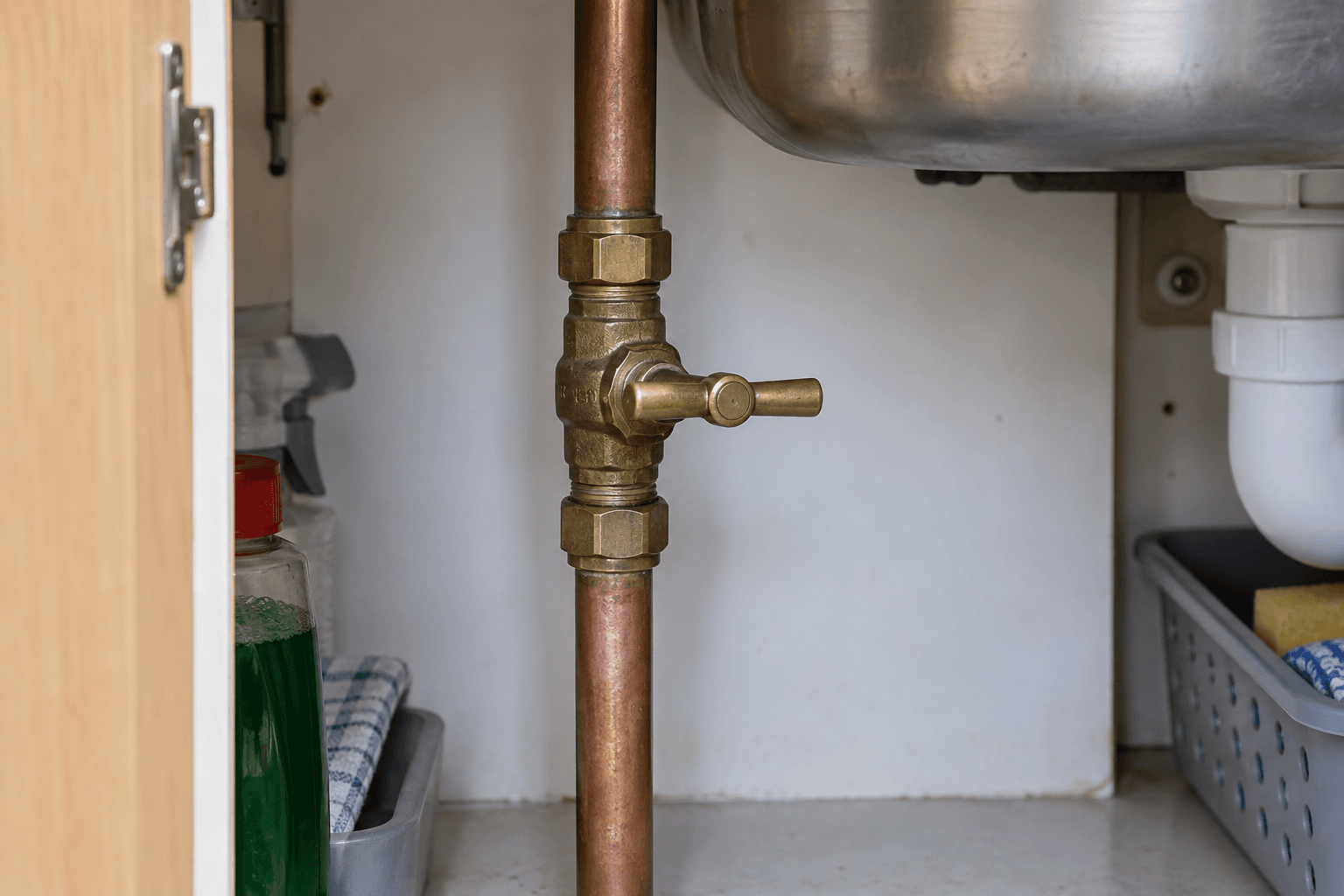
The internal stop tap is usually under the kitchen sink, in a downstairs cupboard, or wherever the supply enters the property. In some houses it is somewhere thoroughly unhelpful, such as behind a fitted unit or under a floor hatch, which is exactly why finding it in advance is worth doing.
Finding it is not enough. Turn it off, then on again. Stop taps that have not moved in a decade seize, and a seized stop tap discovered during a burst is one of the worst positions a household can be in. Discovered deliberately on a Tuesday, it is a small job.
There is normally an external stop tap as well, under a small cover near the boundary. Check you can locate it and lift the cover, because it needs a key or a suitable tool that is best obtained before you need it, not during.
Then tell everyone in the house. A stop tap known only to one person who is away for the week is not really known at all. Labelling it takes seconds.
- Locate the internal stop tap and actually turn it off and on.
- Locate the external stop tap and check you can lift the cover.
- Get whatever tool is needed before you need it.
- Label it and tell everyone in the household.
Map the rest of the isolation points
The stop tap shuts off everything, which is the blunt instrument. Most of the time something more local is better, and knowing what exists means the rest of the house keeps working while one thing is dealt with.
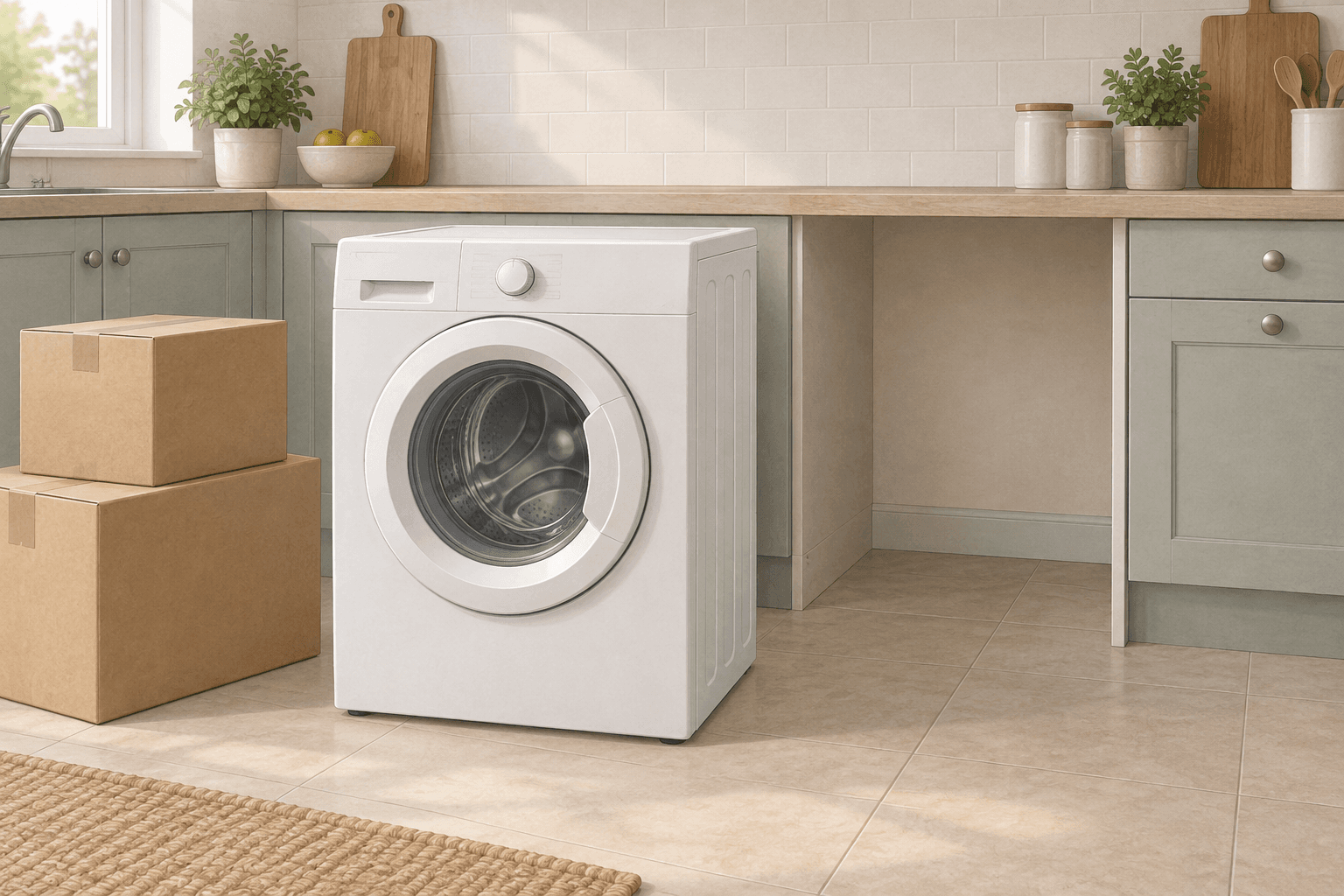
Walk round and find the isolation valves: under basins and sinks, behind the toilet, at the washing machine and dishwasher, and at the boiler. Note where they are and whether they turn. Missing or seized valves are worth adding to the list of small jobs for the next visit.
Know where the boiler's filling loop is and what the pressure gauge should read, since heating problems often present as water where it should not be. Know how to isolate an outside tap before the first frost.
Write the map down and keep it somewhere findable, or take photographs on a phone. It takes twenty minutes once and it is the difference between isolating a leak in thirty seconds and standing in a flooding kitchen trying to remember.
What to do while help is on the way
The instructions are short and they matter. Turn off the stop tap if water is escaping. Open the cold taps to drain what is left in the pipework rather than letting it find its way through a ceiling.
Keep electrics away from the leak. If water is anywhere near lighting, sockets or a consumer unit, treat that as a safety problem and stay away from it.
Take photos where it is safe to do so, and explain whether the problem is getting worse. That single sentence changes how a call is prioritised more than any description of how bad it looks.
Then contain what you can. Buckets, towels and moving things out of the way all buy real value, and a controlled hole in a bulging ceiling drains it in a place you choose rather than all at once.
- Stop tap off, then cold taps open to drain down.
- Electrics kept well clear of any water.
- Photograph safely before anything is cleared up.
- Say clearly whether it is getting worse.
Winter preparation, done in autumn
Cold weather produces the most emergency calls, and most of them are predictable. Pipes in unheated spaces, lofts and garages are the ones that freeze, and lagging them is cheap and permanent.
Outside taps should be isolated and drained before the first hard frost. A condensate pipe running externally from a boiler can freeze and shut the appliance down, which is one of the most common cold-snap failures and one of the easiest to prevent by insulating it properly.
If a property is going to stand empty in winter, leaving low heating on is far cheaper than the alternative. A burst in an empty house runs until somebody finds it.
Tami Plumbing covers emergency plumbing alongside leak detection, boiler repair and central heating in Beeston, so if an emergency turns out to be a symptom of something larger, the follow-up work is on the same route rather than a new search.
Related pages
Questions customers ask
Where is my stop tap likely to be?
Usually under the kitchen sink, in a downstairs cupboard, or wherever the supply enters the property. There is normally an external one under a small cover near the boundary too. Find both now and check the internal one actually turns.
What if my stop tap will not turn?
Do not force it and break it. Use the external stop tap if you can reach it, and add replacing the internal one to your list of jobs, because a seized stop tap is the single thing that makes every future emergency worse.
How do I stop pipes freezing in winter?
Lag pipes in lofts, garages and other unheated spaces, isolate and drain outside taps before the first hard frost, and insulate any external condensate pipe from the boiler. In an empty property, leaving low heating on is much cheaper than a burst.
Twenty minutes with a notepad, a working stop tap and a labelled set of isolation valves is worth more in an emergency than any arrival time. It is the only part of the situation you control in advance.
Tami Plumbing covers emergency plumbing in Beeston day and night, weekends and bank holidays included. The contact page has the route.