The annual gas safety check is one of the few recurring obligations in letting that has a hard legal edge and a soft practical one. The requirement is unambiguous. Actually getting an engineer into an occupied property on a specific day, with every appliance accessible, is where it becomes difficult.
Tami Plumbing carries out landlord gas safety certificates across Nottingham, and most of what makes a visit efficient happens before the appointment rather than during it.
What the inspection covers
A landlord gas safety inspection is an annual check of the gas appliances in a let property, and the certificate records what was found. It is not a service, and that distinction is worth understanding: a check confirms safety, while a service is maintenance on an appliance.
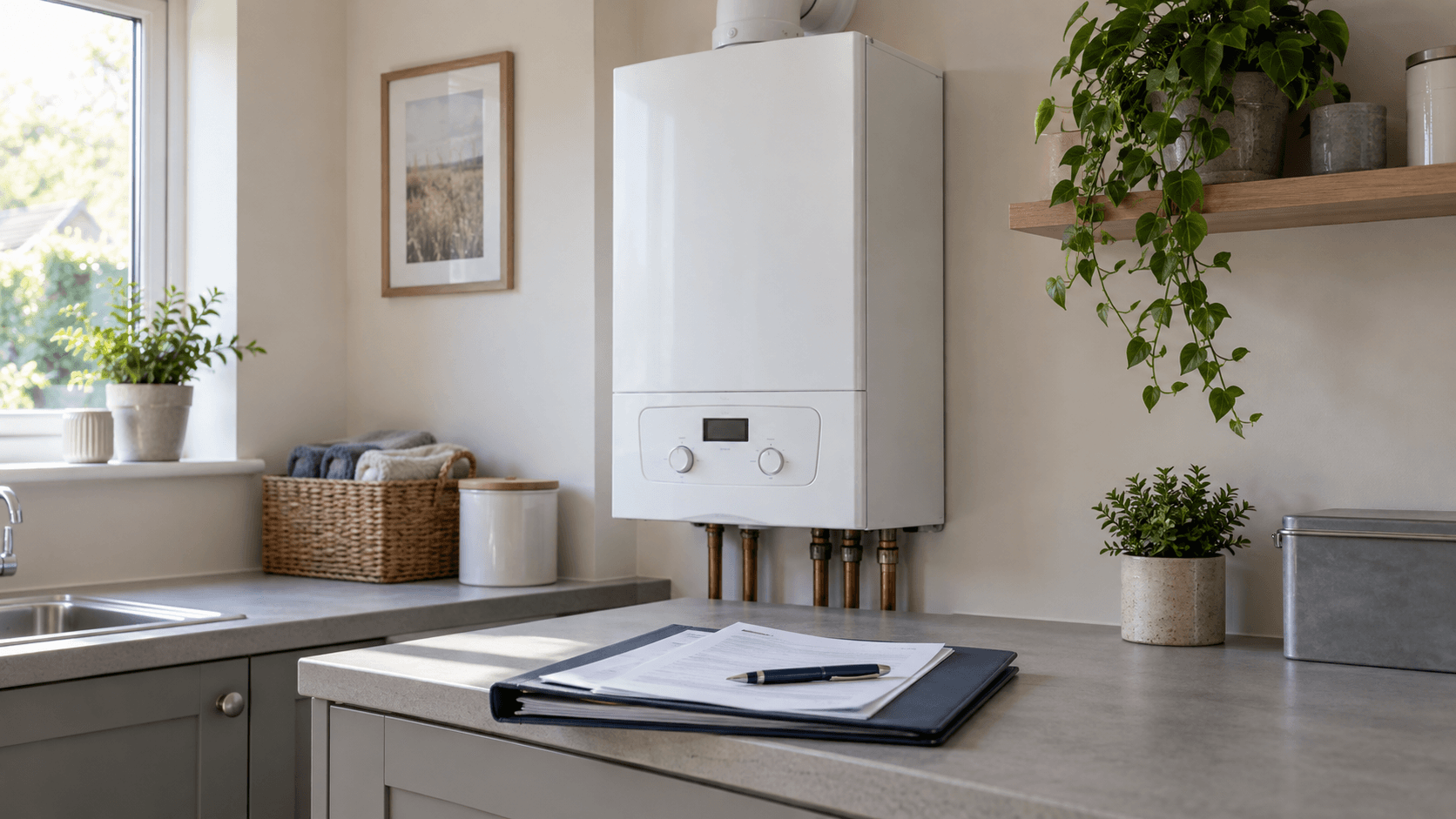
The visit checks the relevant gas appliances, the flue route, ventilation, the meter area and any visible safety concerns. Certificate paperwork is issued where the inspection passes.
Ventilation and flue routes are where problems most often surface, because they are the things tenants unknowingly alter: a blocked air vent, a sealed grille, or something stored against a flue terminal outside.
The engineer has to see every relevant appliance, which is why the appliance list matters. An appliance that could not be accessed is a gap, and a gap means a return visit.
- All relevant gas appliances in the property.
- Flue route and condition.
- Ventilation, including air vents that may have been covered.
- The meter area and any visible safety concerns.
What to send before the visit
The appliance list and access details should be confirmed before the visit. That single step prevents most wasted appointments.
Send the address, tenant access details, the number of appliances, parking or key arrangements, and whether a boiler service is needed at the same time. Each of those changes how the visit is planned and how long it takes.
The appliance count matters because a property with a boiler, a gas hob and a gas fire is a longer appointment than one with a boiler alone. Getting that wrong compresses the visit and pushes the rest of the day.
Parking is not a trivial detail in built-up areas. Nor is a key arrangement that only works during office hours. Say what the constraints are and they can be planned around; leave them unsaid and they become the reason the visit failed.
Tenants, access and timing
The most common reason a certificate lapses is not neglect. It is access: a tenant who works away, a missed appointment, or a message that never reached the person who actually lives there.
Giving tenants proper notice, offering a realistic window and confirming shortly beforehand solves most of it. It also helps to explain what the visit is for, because a check described as an inspection sounds adversarial while a check described as an annual safety visit does not.
Timing is worth managing too. Booking well before the current certificate expires leaves room for a missed appointment or for remedial work without the certificate lapsing in between. Leaving it to the final week removes all of that slack.
For landlords with several properties, batching visits sensibly makes the year easier. Tami Plumbing offers a quick turnaround with a digital certificate provided, and multi-property discounts are available, which makes coordinating a portfolio in one arrangement worth asking about.
- Give tenants proper notice and a realistic window.
- Confirm the appointment shortly before the day.
- Book well before the current certificate expires, not in the final week.
- Ask about arranging multiple properties together.
Keep the certificate and the repairs separate
If the inspection finds an issue, the certificate and the repair work should be separated so the landlord knows what has passed and what needs attention. This matters more than it sounds.
Mixing them produces confusion about the property's actual status. A clear split tells you exactly which appliances are satisfactory, which need work, and what the priority is. It also makes the record legible to anyone reading it later, including a letting agent or a future buyer.
Where remedial work is needed, the useful information is what it is, how urgent it is, and whether the appliance can remain in use meanwhile. Those are three separate questions and all three deserve an explicit answer.
Related work often follows: boiler repair where a fault has been found, central heating where the issue is wider than one appliance, or emergency plumbing where something needs immediate attention. Having one trade able to do the check and the follow-up saves the coordination that landlords usually end up doing themselves.
Related pages
Questions customers ask
How often does a landlord gas safety check need doing?
Annually. It is a legally required inspection of the gas appliances in a let property, and the certificate records the result. Booking before the current one expires leaves room for a missed appointment or remedial work without a gap.
Is a gas safety certificate the same as a boiler service?
No. The certificate is a safety check across the relevant gas appliances, flue, ventilation and meter area. A service is maintenance on one appliance. Many landlords book both together, which is efficient, but they are distinct pieces of work.
What happens if the inspection finds a problem?
The certificate and the repair work are kept separate so you know exactly what passed and what needs attention. You should be told what the issue is, how urgent it is, and whether the appliance can stay in use in the meantime.
Send the appliance list and access details up front, give tenants proper notice, book before the expiry rather than after it, and keep the certificate separate from any repairs.
Tami Plumbing carries out landlord gas safety certificates across Nottingham with a digital certificate provided. The contact page is the place to arrange one.